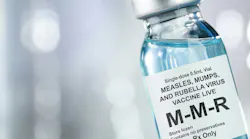
Nonmedical Exemptions to Vaccine Rose 2.5 Percentage Points From 2010 to 2024

A research letter published in JAMA estimates that “county-level U.S. nonmedical exemptions to childhood vaccine requirements rose 2.5 percentage points from 2010 to 2024.” CIDRAP has the news.
The Stanford-led research team cautions that this “raises the risk of a resurgence of vaccine-preventable diseases.” Nonmedical exemptions are granted for “personal beliefs or religious reasons.”
The analysis included data from 45 states and over 3,000 counties. The median county-level nonmedical exemption rate “rose from 0.6% in 2010-11 to 3.1% in 2023-24, but medical exemptions stayed the same. The median nonmedical exemption rate increased by 0.11 percentage points each year from 2010 to 2020 and by 0.52 percentage points annually after the emergence of SARS-CoV-2.” States with the highest rates of nonmedical exceptions from 2021 to 2024 were Arizona, Idaho, Oregon, Utah, and Wisconsin.
States that eliminated nonmedical exceptions saw declines over that same period. The study authors wrote that “nonmedical exemptions to school-based childhood vaccination requirements are associated with lower vaccination coverage and increased risk of outbreaks, and the American Academy of Pediatrics has advocated that states eliminate such exemptions.”
About the Author
 Matt MacKenzie
Associate Editor
Matt MacKenzie is Senior Staff Writer and Associate Editor of Healthcare Purchasing News (HPN), where he leads daily news coverage and contributes in-depth features on healthcare supply chain, sterile processing, infection prevention and clinical operations. Through industry reporting and expert interviews, he examines the trends, technologies and operational challenges shaping healthcare purchasing and patient care.