Hepatitis B and HIV Cure Consortium Awarded Five-Year Grant from NIAID
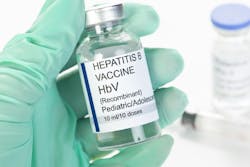
The Hepatitis B and HIV Cure Consortium (BICC) has been established through the awarding of a five-year, $24 million grant from NIAID to seek a cure for hepatitis B.
Hepatitis B is a “lifelong, currently uncurable viral infection that can cause both acute or chronic disease, and in the latter state, put people at high risk of death from cirrhosis or liver cancer.” It remains a major health problem worldwide even though it can be prevented by vaccination shortly after birth. WHO estimates that “some 300 million people worldwide are already infected with hepatitis B virus, with more than a million new cases added each year.”
The consortium will enroll a “multinational group of 450 people with HIV and chronic hepatitis B…and 225 with just chronic hepatitis B” to source tissue and fluid samples and conduct research studies. The team will “develop and characterize blood biomarkers for HBV replication and transcription;” create a “human specimens repository” for use by the research teams; expand “knowledge and understanding of the mechanisms by which HBV operates;” and more.
Upon establishing the clinical and specimen repository, the team will “begin studying these specimens to advance an HBV cure,” and will then “study and characterize HBV persistence within the liver using novel techniques that will enhance and accelerate the understanding of how HBV reproduces, infects the cells of its host, and integrates part of its genetic instructions into the host cell’s genome.”