Interrupting CDC Funding for HIV Testing Would Result in Increase in HIV Infections, Study Finds

A simulation model estimated nearly 13,000 more infections across 18 states if CDC-funded tests were interrupted.
April 7, 2026

Key Highlights

  • - The study projects a 10% increase in HIV infections across 18 states if CDC testing funding is cut.
  • - Approximately 12,751 additional HIV cases could occur over five years due to funding reductions.
  • - Effective testing is crucial for early detection and preventing the spread of HIV.
  • - Future research aims to assess the impact of funding cuts on other HIV prevention activities.
  • - Maintaining CDC funding for testing is vital for controlling HIV transmission in the U.S.
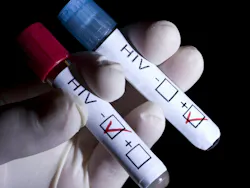
An NIH-funded Johns Hopkins Medicine study published in Clinical Infectious Diseases found that HIV infections could increase an average of 10% across U.S. states if CDC funding for testing is interrupted or ended.

The study’s lead author said that “if more people are unaware they have HIV because effective testing isn’t available, it is more likely that they will transmit the virus to someone else.”

The simulation model used in the study examined “HIV infections across 18 states, with populations representing different groups of age, race, and sex. The model estimates how frequently populations are being tested and how many of those tests are being done using CDC funding.” The model estimated 12,751 more infections across those 18 states over the next five years if CDC-funded tests were slowed or eliminated.

The next steps in this research will be to “get a more comprehensive idea of what loss of CDC funding for other prevention activities may look like, and what would be the effect of those cuts on HIV infections in the U.S.”

About the Author

Matt MacKenzie

Associate Editor

Matt is Associate Editor for Healthcare Purchasing News.

Sign up for our eNewsletters
Get the latest news and updates