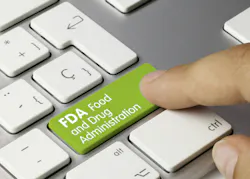
The FDA has cleared an AI-based sepsis detection system for approval. CIDRAP has the news.
The Targeted Real-Time Early Warning System, which was developed by researchers at Johns Hopkins University and commercialized by Bayesian Health, “integrates electronic health records with advanced clinical AI to continuously monitor patients and flag sepsis up to 48 hours before a clinician suspects it.” A study from 2022 found that when “clinicians acted on the tool’s alerts, sepsis patients were 18% less likely to die in the hospital.”
At least “1.7 million U.S. adults and more than 18,000 U.S. children develop sepsis each year, and at least 350,000 adults and more than 1,800 children who develop the condition die during their hospitalization.”
Sepsis symptoms “are common in other medical conditions,” making it difficult to diagnose. However, “each hour of delayed treatment can reduce survival by 8%.” This is the first FDA-cleared and AI-based device that “detects sepsis before clinical suspicion.” The device’s receipt of FDA 510(k) clearance means the “agency has deemed the device is ‘substantially equivalent’ to a device that’s already on the market.”