Study Finds High-Risk Conditions Lead to Higher Risk of Severe Infections from RSV

Adults with certain conditions, including asthma and chronic kidney diseases, were much more likely to get lower respiratory tract disease when they had RSV.

Key Highlights

  • - Adults with asthma, immunodeficiency, or organ transplants are more likely to experience severe RSV infections.
  • - The risk of lower respiratory tract disease from RSV is 62% higher in adults with high-risk conditions.
  • - Adults under 50 with high-risk conditions face a 117% increased risk of RSV-associated illness.
  • - The study emphasizes the need to consider expanding RSV vaccination recommendations to younger adults.
  • - This research is the largest of its kind in the U.S. since 2005, highlighting significant health implications.
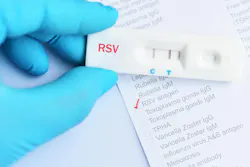

A new study recently published in Open Forum Infectious Diseases found that adults are more likely to experience severe infections from RSV if they have certain high-risk conditions (HRC). CIDRAP has the news.

Asthma, congenital immunodeficiency, chronic kidney diseases, having received an organ transplant, and being on immunosuppressive medications all raised the likelihood of experiencing a severe infection. People with an HRC were "62% more likely to get lower respiratory tract disease."

Researchers at Mayo Clinic found that the "rate of this type of RSV-associated illness increased to a 117% higher risk among HRC adults who are under 50." The risk of acute respiratory illness from RSV was not different in a statistically significant way between those with an HRC and those without.

The authors of the study note that it is the "largest U.S. prospective, community-based RSV surveillance study to include people younger than 60 years with HRCs published since 2005." They added that the findings "may be justified to expand the [CDC's] recommendation of the RSV vaccine to adults under 50."

About the Author

Matt MacKenzie

Associate Editor

Matt is Associate Editor for Healthcare Purchasing News.

Sign up for our eNewsletters
Get the latest news and updates