Study Finds Adults Have Low Serologic Immunity to Hepatitis A and B

The CDC changed hepatitis vaccine recommendations from universal to individual-based for infants in December 2025.

Key Highlights

  • - Only 39.5% of U.S. adults are serologically immune to hepatitis A, and 27.1% to hepatitis B, indicating widespread susceptibility.
  • - Vaccination coverage remains suboptimal, with just 25.2% showing vaccine-derived immunity, highlighting gaps in preventive healthcare.
  • - High-risk groups, including those with liver disease, have lower immunity rates, increasing their vulnerability to hepatitis complications.
  • - The aging of naturally immune cohorts and COVID-19 healthcare disruptions contribute to declining immunity levels among adults.
  • - Infants and young children remain particularly vulnerable, with high rates of chronic disease development if exposed to hepatitis B.
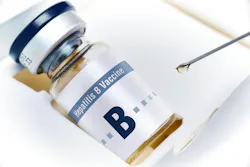

A study published in JAMA Internal Medicine reveals that U.S. adults have low serologic immunity to hepatitis A virus (HAV) and hepatitis B virus (HBV). CIDRAP has the news.

Researchers evaluated HAV and HBV serologic test results from 13,514 adults for the presence of antibodies from previous infection or vaccination. Universal birth-dose HBV vaccination is associated with a 95% reduction in infant HBV infections; the CDC and ACIP, however, recommended individual-based decision-making for infants of mothers without HBV infection in December 2025.

39.5% of adults were serologically immune to HAV, 27.1% had serologic immunity to HBV, and 25.2% showed vaccine-derived immunity. 66.9% of adults were categorized as high-risk. HAV immunity ranged from 26.7% for metabolic dysfunction-linked alcohol-related liver disease to 63.7% for chronic HBV infection. Lower rates of immunity could be explained by the aging of naturally immune cohorts who had HAV in childhood; suboptimal HAV vaccination coverage among younger adults; and COVID-related disruptions to preventive healthcare access.

Infants are also particularly vulnerable to hepatitis; 90% of those exposed to HBV develop chronic disease, compared with 30% of children aged 1 to 5 years and 5% of adults.

About the Author

Matt MacKenzie

Associate Editor

Matt is Associate Editor for Healthcare Purchasing News.

Sign up for our eNewsletters
Get the latest news and updates