Gut Microbiome and Intestinal Inflammation May Hold Key to Post-Vaccine Fever

A study found that many adults who experienced fever after a COVID vaccine had higher levels of bacteria in intestinal samples.

Key Highlights

  • Researchers measured gut microbiomes, body temperature, and immune markers in 171 adults before and after mRNA COVID-19 vaccination.
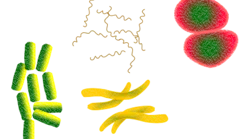
  • Participants who developed fevers had higher levels of flagellated gut bacteria, including Lachnospiraceae.
  • Bacterial flagellin may trigger inflammatory pathways that amplify vaccine-related reactions.
  • A high-fat, highly processed diet may enhance these reactions.
  • The increased side effects were not associated with weaker antibody responses or reduced vaccine efficacy.


A new study published in Science suggests that a person’s gut microbiome and levels of inflammation in the intestine could be behind post-vaccination fevers. CIDRAP has the news.

Fever can be a factor in vaccine hesitancy, especially for vaccines against flu and COVID. It is a common reaction to a number of different vaccines.

The study was based on 171 adults whose fecal microbiomes, body temperature, and blood-based immune markers were measured before and after receiving mRNA COVID-19 vaccines. A bacteria that lives in the gut called Lachnospiraceae and produces flagellin played an important role in vaccine-related reactions. Participants who had fevers after vaccination had higher levels of flagellated bacteria in their intestinal samples.

Flagellin may activate inflammatory pathways, intensifying vaccine-related reactions. These reactions may be enhanced by a high-fat and highly processed diet. The authors also were sure to note that flagellin and inflammation don’t affect antibody responses to vaccines; increased side effects had no bearing on vaccine efficacy.

About the Author

Matt MacKenzie

Matt MacKenzie

Associate Editor

Matt is Associate Editor for Healthcare Purchasing News.

Sign up for our eNewsletters
Get the latest news and updates