Report Finds Public Health Emergency Readiness Programs Lack Formal Coordination
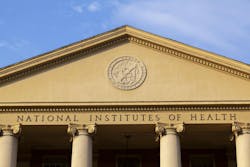
A report from the U.S. Government Accountability Office (GAO) found that “two key federal programs designed to bolster the nation’s public health emergency readiness lack formal coordination and do not adequately track whether states and local jurisdictions can respond effectively to public health threats and emergencies.” CIDRAP has the news.
GAO reviewed HHS documentation, including “notices of funding opportunity, templates, and examples of documents from eight jurisdictions.” Nearly $900 million annually is administered by HHS through the Public Health Emergency Preparedness (PHEP) program and the Hospital Preparedness Program (HPP). The programs are intended to “strengthen the nation’s ability to prepare for and respond to threats ranging from extreme weather and nuclear or chemical events to infectious disease outbreaks.”
In order to receive these funds, jurisdictions need to complete a series of activities like developing preparedness plans and training staff. However, HHS seemed to lack formal mechanisms for coordinating the programs. Meetings that do occur were informal and undocumented. HHS also “does not collect or analyze information on whether jurisdictions can meet the 15 public health preparedness capabilities and four health care preparedness capabilities outlined by HHS as necessary to effectively respond to and recover from public health threats.”
GAO made five recommendations to improve preparedness, including that “HS establish a formal mechanism to coordinate PHEP and HPP and develop a process to collect and analyze information on jurisdictions’ preparedness capabilities and related gaps.”
About the Author
 Matt MacKenzie