Study Finds New Combined Treatment for Glioblastoma Shows Promise
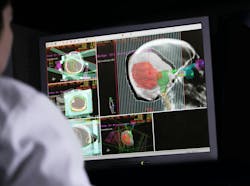
A new study found that researchers at UNC who combined a “common chemotherapy drug with a chemical called EdU provided unprecedented survival and cancer remission in various preclinical glioblastoma models.”
Glioblastoma is a particularly aggressive form of brain cancer; only around 7% of patients survive for longer than five years post-diagnosis. Treatments have remained static over the past 20 years due to the cancer’s “rapid growth” and the fact that it is difficult to “fully remove the tumor due to the risk of harming vital brain structures.” Many genetic mutations can also be responsible for causing the cancer, making it difficult to target.
EdU had already been shown to “successfully get into the brain and kill cells within the tumor, while leaving healthy brain tissue unharmed.” Temozolomide (TMZ), an “oral chemotherapy used in conjunction with radiation therapy,” was then tested as a potential combination therapy in mice. When the treatments were combined, “researchers observed complete cancer reduction by day 23. Every single mouse model lived until the end of the study, onwards of 250 days. They were, in essence, cured.”
The therapy additionally “only resulted in mild, reversible changes to the small intestine, spleen, and blood, similar to typical reactions seen from chemotherapy.” The results suggested the two treatments combined had a “synergistic effect,” meaning the drugs both have a stronger therapeutic effect when combined. When used on human glioblastoma tumors, one of the four tested also saw “strong synergy,” while the other three saw an “additive effect.”