Study Probes Why Autoantibodies Are Produced in Some COVID Patients

The autoantibodies are triggered in a way that is similar to other autoimmune diseases, like lupus.

Key Highlights

  • - The study analyzed data from 209 COVID-19 patients, focusing on differences in autoantibody levels among women.
  • - Higher levels of atypical memory B cells, especially DN2 subtypes, were linked to increased autoantibody production in some patients.
  • - Findings suggest SARS-CoV-2 can activate immune pathways similar to those involved in autoimmune diseases, potentially explaining post-infection autoimmune symptoms.
  • - The research provides insight into immune cell behavior that may underlie persistent symptoms and autoimmune risks following COVID-19.
  • - Understanding these mechanisms could inform future treatments to prevent or mitigate autoimmune complications after viral infections.
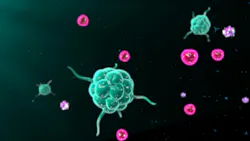

A new study in Immunity investigates why autoantibodies (Abs) are produced in some COVID-19 patients. CIDRAP has the news.

Autoantibodies are proteins that mistakenly target the body’s own tissues instead of finding and destroying illness-causing invaders. They are linked to severe illness, persistent symptoms, and an increased risk of new-onset autoimmune disease in some COVID-infected people.

The researchers for the study analyzed data from 209 COVID-infected participants, and eventually selected 12 age-matched women with different autoantibody levels. They were separated into a low autoantibody group (autoAb-low) and a high one (autoAb-high). A subset of immune cells known as atypical memory B cells were more likely to develop into autoantibody-secreting cells in participants in the autoAb-high group than in those in the autoAb-low group.

A subtype of atypical memory B cells known as double-negative 2 (DN2) B cells were also overrepresented in the high-autoantibody group. DN2 cells have been linked to autoantibody production and may play a role in other autoimmune diseases like lupus.

The study’s lead author suggests that “SARS-CoV-2 infection can activate an immune program that closely resembles those involved in established autoimmune disorders, helping explain why some individuals experience autoimmune complications following infection.”

About the Author

Matt MacKenzie

Matt MacKenzie

Associate Editor

Matt is Associate Editor for Healthcare Purchasing News.

Sign up for our eNewsletters
Get the latest news and updates