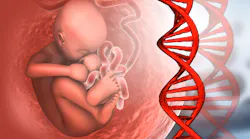
A new study found that 48.6% of pregnant people “who had abnormal results for prenatal cell-free DNA (cfDNA) testing used to screen for chromosomal disorders in the fetus” had previously undetected cancers discovered by the same test.
Cancers identified included “colorectal, breast, lung and pancreatic cancers, as well as lymphoma, cholangiocarcinoma and renal carcinoma. The screening test analyzes placental DNA fragments circulating in the maternal bloodstream to identify an extra chromosome or to determine the baby’s sex.”
The test both detects fetal DNA and “DNA released from the mother’s red blood stem cells and, occasionally, abnormal DNA that may result from an undetected cancer in the asymptomatic pregnant person.” The current analysis consisted of cancer screenings of 107 patients with abnormal cfDNA test results; 52 of them were diagnosed with cancer after more testing was performed.
Other abnormal cfDNA results “were attributed to fibroids (benign uterine tumors), placental chromosomes that differed from fetal chromosomes, and clonal hematopoiesis in the mother (a precancerous state that can lead to blood cancers).”
Matt MacKenzie is Senior Staff Writer and Associate Editor of Healthcare Purchasing News (HPN), where he leads daily news coverage and contributes in-depth features on healthcare supply chain, sterile processing, infection prevention and clinical operations. Through industry reporting and expert interviews, he examines the trends, technologies and operational challenges shaping healthcare purchasing and patient care.